PulseChain Bridge
PulseChain Bridge is a decentralized bridge that allows users to easily and seamlessly transfer Native and ERC-20 tokens from Ethereum to PulseChain and vice versa.
PulseChain Bridge stands as the critical infrastructure enabling users to move assets seamlessly between Ethereum and PulseChain. Users can bring assets from Ethereum into PulseChain using the bridge, which is a common case for those looking to participate in the PulseChain ecosystem. The bridge acts as an exchange point for assets between Ethereum and PulseChain, facilitating seamless value transfer. Whether you are a seasoned user looking to transfer assets or a newcomer trying to understand how to add PulseChain to your wallet, this guide covers every step. We will explore the pulsechainbridge mechanics, how to buy PLS, and what to do if you find the pulsechain bridge not working.
The PulseChain Bridge interface is similar to popular decentralized exchanges (DEXs) like Uniswap, providing a familiar and user-friendly experience for swapping and bridging assets.
Verify official URLs and explorers before you transact.
Introduction to the Platform
The PulseChain Bridge is a cutting-edge, censorship-resistant platform designed to make transferring assets between the Ethereum network and the PulseChain ecosystem both simple and secure. By leveraging the official PulseChain Bridge, users can connect their wallets and interact directly with the PulseChain network, unlocking seamless cross-chain transfers. Getting started is straightforward: users add PulseChain to their wallet by entering the network name, chain ID, and contract address—essential steps that grant access to the full range of PulseChain services.
Once connected, users can transfer assets efficiently, taking advantage of PulseChain’s low gas fees and rapid transaction speeds. The bridge’s robust infrastructure ensures that every transaction is secure, allowing users to move tokens between chains with confidence. Whether you’re new to crypto or an experienced trader, the official PulseChain Bridge provides the tools you need to access, interact with, and transfer assets across networks, all while maintaining the highest standards of security and decentralization.
PulseChain Ecosystem Overview
The PulseChain ecosystem is a dynamic, decentralized network designed to empower users with secure, efficient, and censorship-resistant tools for managing digital assets. At its core, the PulseChain Bridge enables seamless cross-chain transactions, allowing users to transfer assets, trade tokens, and interact with a growing array of decentralized applications (dApps) across the network.
Developers benefit from the PulseChain ecosystem’s scalability and efficiency, building dApps that offer lower fees and faster transaction times compared to traditional networks. For users, this means more affordable trades, quicker swaps, and access to deep liquidity pools—making it easier to buy, sell, or swap tokens like HEX and other crypto assets. The bridge also supports the growth of the ecosystem by enabling cross-chain value transfer, which attracts new projects and liquidity providers.
Supported by a vibrant community of users, developers, and service providers, the PulseChain ecosystem continues to expand, offering innovative tools and services for managing assets and participating in decentralized finance (DeFi). Whether you’re looking to trade, stake, or simply explore new opportunities, PulseChain’s secure and efficient network is designed to help you interact with the world of crypto smarter and faster. To learn more or get started, visit the official PulseChain website or search for guides and tutorials to join the growing community.
Quick Answer: How to Use the PulseChain Bridge in 2026
The official pulsechain bridge is the primary way to transfer assets between Ethereum and PulseChain. Whether you call it PulseRamp, PulseBridge, or pulsechainbridge, the process remains straightforward and secure for users worldwide.
- Connect your wallet (MetaMask or Rabby) to the Ethereum network
- Visit the official pulse chain bridge front-end
- Select Ethereum as source, PulseChain as destination
- Choose your token (HEX, USDC, WETH) and input the amount
- Approve the transaction, then confirm the bridge transfer
Average bridge time runs 10-30 minutes, though congestion can extend this to 90 minutes. Track your transaction via Etherscan and PulseScan. If you see a pulsechain transaction not found error or pulsechain bridge not working message, verify you’re checking the correct chain explorer before troubleshooting further.
What Is the PulseChain Bridge (PulseBridge, BridgePulse)?
The PulseChain Bridge is live and operational, connecting Ethereum and PulseChain to enable real-time cross chain transfers of ERC-20 tokens and stablecoins. Various front-ends exist—PulseRamp, bridgepulse, and community UIs—all accessing the same core contracts.
- Cheaper gas fees compared to Ethereum’s congested network
- Access to PulseX DEX for swap and liquidity opportunities
- Faster confirmation times on PulseChain’s efficient validator network, featuring shorter block times of roughly 3 to 10 seconds. Transactions on PulseChain are generally processed quickly, providing a faster alternative to the Ethereum network.
- Built on audited OmniBridge-style architecture with multisig controls
- Pulsebridge contracts are permissioned and upgradable for security
Always verify you’re on the correct official URL to stay secure and avoid phishing attempts.
How the PulseChain Bridge Works Under the Hood
The bridge pulse mechanism uses a lock-and-mint model. Tokens on Ethereum get locked in a smart contract address while equivalent wrapped versions mint on PulseChain—and vice versa for returns.
- Bridge validators watch both chains and submit proofs to prevent double-spending
- Forked PRC-20 copies from May 2023 launch differ from bridged tokens created via pulsechainbridge contracts
- Never send tokens directly to contract addresses
- A pulsechain transaction not found error often indicates wrong explorer selection
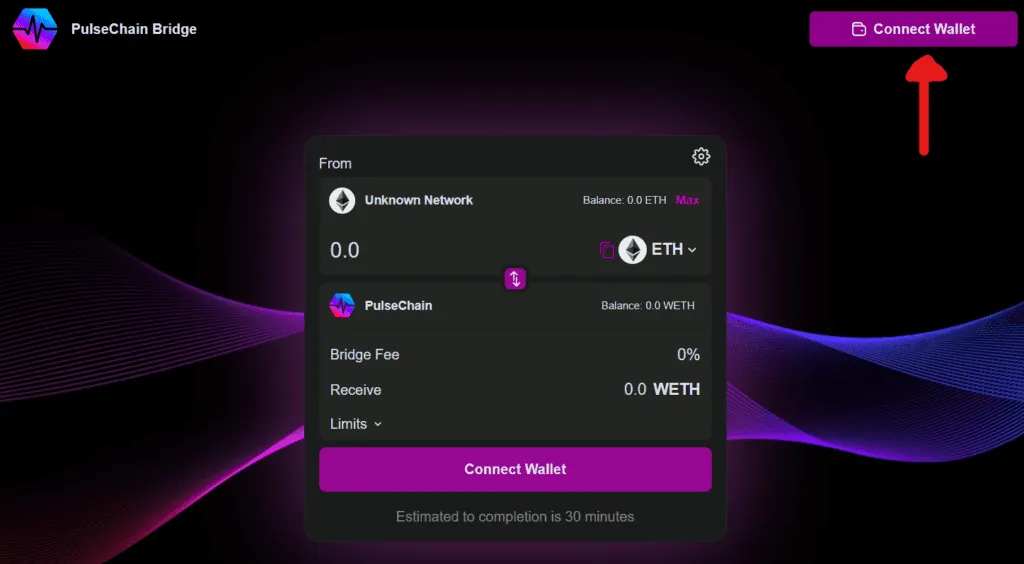
Match RPC, chain ID, and explorer fields to official documentation.
Step-by-Step: Bridge PulseChain and Ethereum to Transfer Assets Safely
This step-by-step guide helps you bridge pulsechain assets in 2026.
Ethereum → PulseChain:
- Connect MetaMask to Ethereum network
- Visit the official front-end and select source/destination
- Enter token and amount, then approve and confirm
Bringing assets into PulseChain via the bridge is free of inbound fees, making it a cost-effective case for users who want to participate in the PulseChain ecosystem without selling their assets. Bridging is an alternative to selling on exchanges, allowing you to retain value and avoid market pressure.
PulseChain → Ethereum:
- Switch wallet to PulseChain (Chain ID: 369)
- Select PulseChain source, Ethereum destination
- Confirm transaction—note a standard outbound fee of 0.3% applies when transferring assets back to Ethereum, which is common among DeFi bridges
Hold ETH for Ethereum gas and PLS for PulseChain transactions. Bridging into PulseChain involves Ethereum transaction fees, but subsequent transactions on PulseChain cost only a fraction of a cent due to its design for significantly lower transaction fees compared to Ethereum. Monitor progress via transaction hashes on both explorers.
Setting Up Wallets and Networks for PulseChain
Proper wallet setup is essential before using any pulse bridge interface. You need to set your wallet and network parameters to connect to PulseChain.
PulseChain Mainnet Parameters
Network Name: PulseChain
RPC URL: use the public RPC endpoint published in current official documentation
Chain ID: 369
Currency Symbol: PLS
Block Explorer: use the explorer URL published in current official documentation
Set up PulseChain manually or use one-click buttons on official sites. Wallets like OKX Web3 offer native presets. Remember: bridged token contract addresses differ from forked PRC-20 copies—import them separately to interact with your assets.
Gas Fees, Limits, and Timing on the Official PulseChain Bridge
While PulseChain gas remains cheap, understand the full cost structure:
- Inbound to PulseChain: 0% inbound fees with PulseBridge, making it free to bridge assets into PulseChain—an attractive case compared to using an exchange, as users can bridge over 100% of their assets without losing value to bridge fees; users only pay Ethereum gas fees
- Outbound to Ethereum: 0.3% fee on some implementations plus PLS gas, which is often lower than the fees charged by exchanges in many cases, making the bridge a cost-effective option for transferring assets out of PulseChain
- Check UI for current minimum/maximum limits before large transfers
- Processing queues during congestion cause pending status without errors
Many bridging services utilize ChangeNow in the background, which can affect the overall fee structure for users looking to transfer assets to and from PulseChain.
Troubleshooting: PulseChain Bridge Not Working or Transaction Not Found
Common fixes for pulsechain bridge not working issues:
- Verify correct network selected in wallet
- Try official RPC endpoints if connection fails
- Clear browser cache or switch browsers
- For pulsechain transaction not found: confirm you’re on PulseScan, not Etherscan
- Wait 30-90 minutes for validator batching during high traffic
- Never share seed phrases with “support” accounts
Alternative Ways to Bridge PulseChain Value
Beyond the official pulsechain bridge, consider:
- CEXs: OKX and MEXC list PLS for direct trade and withdrawal. In some cases, users may opt for selling assets on these exchanges as an alternative to bridging, but this can result in value loss due to market pressure.
- Third-party services: ChangeNow, TokensExpress offer multi-chain swaps, allowing users to bring assets into PulseChain without using the official bridge.
- Trade-offs: Official bridge is censorship resistant and trust-minimized; CEXs require KYC; third-parties add smart contract risks. In the case where a user prioritizes speed or convenience, they might prefer a CEX or third-party service over the official bridge.
Security Best Practices When Using Any PulseChain Bridge
- Verify URLs from official PulseChain sources
- Use hardware wallets for large transfers
- Send a small test transaction first
- Bookmark official bridgepulse sites to avoid phishing
- Periodically revoke unused token approvals via Revoke.cash
Exploring PulseChain After Bridging
Once assets arrive via the pulsechain bridge, the ecosystem awaits:
- Swap on PulseX for PLS, PLSX, HEX, and other tokens
- Provide liquidity to earn incentives
- Use bridge statistics dashboards for insights and trends (click or tap the image to view a full-sized version for better understanding)
- Plan exit via bridge pulse or CEX routes when ready
PulseBridge includes a benevolent onboarding feature that automatically sends a small amount of PLS to new users arriving on PulseChain without any PLS balance, enabling them to pay gas fees and start interacting with the network immediately.
As a proof-of-stake network, PulseChain is designed to be more energy-efficient than proof-of-work systems, contributing to its appeal as a sustainable blockchain solution.
FAQ: Common Questions About the PulseChain Bridge
Is the official PulseChain bridge safe?
Yes—it’s built on audited code with validator security. Always verify URLs.
How long to bridge PLS to Ethereum?
Typically 10-90 minutes depending on network conditions.
What does ‘pulsechain transaction not found’ mean?
You’re likely checking the wrong explorer—use PulseScan for PulseChain transactions.
Why is my PulseChain bridge not working?
Check network selection, RPC settings, and wallet connection.
Are PulseBridge, PulseRamp, and BridgePulse the same?
They’re different front-ends accessing identical core smart contracts.
Can you give an example of bridging a token from Ethereum to PulseChain?
For example, to bridge HEX from Ethereum to PulseChain, connect your wallet to the official PulseChain bridge, select HEX as the token, specify the amount, and confirm the transaction. After the process completes, your HEX will appear on PulseChain, ready for use.
Stay safe on PulseChain
Start with a test transaction, bookmark official links, and join the community to learn smarter ways to navigate the pulsechain ecosystem.